This ladies and gentlemen is the revised online discussion platform for the class. I will post material and questions on this site and you will answer questions and respond to other student's posts as well.
Ever hear your parents say, “It takes only one to change the world”? Here is a huge eye-opener to how wise your parents’ words were.
Tunisia A poor man named Mohammed Bouazizi made a living for his family by selling fruit, but to sell anything on the side of the road you need a selling license. Bouazizi applied for a selling license several time and had no respond. On December 17 a police officer asked for his license, which he hadn’t had, the policewoman allegedly slapped him spat in his face and insulted his dead father, then confiscated the rest of his vegetables, and gave him a 10 dinar fine. Bouazizi begged and pleaded for his vegetables back, and when the ruler Zine El Abidine Ben Ali refused, he set himself on fire. 10 days after Bouazizi died, Zine El Abidine Ben Ali had been forced out of power by protesters.
Egypt After the revolution in Tunisia, Egypt had begun a protest to remove the ruler, Hosni Mubarak,of 30 years dictatorship. 18 days of protesting had finally brought peace throughout Egypt.
Libya The victory revolution in Egypt inspired the people of Libya urging them to protest against their ruler, Muammar Gaddafi, of 42 years in power hoping for the same victory.
Yemen Ali Abdullah Saleh, the ruler of Yemen for 33 years, is ready to undergo a protest outbreak un-violently. Ali Abdullah Saleh has confidence that he has enough supporters on his side. As many people protested against Ali Abdullah Saleha crowd of his supporters filled the street, and he had to send police officers out to prevent the two mobs to meet.
Bahrain The Bahraini ruler, Sheikh Hamad ibn Isa Al Khalifa of 12 years, has already killed many to keep his power as the king of Bahrain but the protesters gather to try to bring his ruling to an end.
Iran Mahmoud Ahmadinejad the Iranian president for 6 years has been threatened by protesters. When protesters clashed with police, they fired tear gas into the crowds. At this point, the Iranian media reports that one person has died, but many others remain injured. Jordan King Abdullah II bin al-Hussein of 12 years had met his match when thousands of protesters boycotted against him. The clashes, in which more than 100 were injured, were the most violent in more than two months of protests inspired by the popular uprisings in Tunisia and Egypt.
(Have you ever heard your parents say, “It takes only one to change the world”? Here is a huge eye-opener to how wise your parents’ words were.
Tunisia A poor man named Mohammed Bouazizi made a living for his family by selling fruit, but to sell anything on the side of the road you need a selling license. Bouazizi applied for a selling license several time and had no respond. On December 17 a police officer asked for his license, which he hadn’t received. The policewoman allegedly slapped him, spat in his face and insulted his dead father. (She) then confiscated the rest of his vegetables, and gave him a 10 dinar fine(dinar = Tunisian $). Bouazizi begged and pleaded for his vegetables back, and when the ruler of Tunisia, Zine El Abidine Ben Ali refused, the vegetable vendor set himself on fire. Protests about the oppresive behavior of the ruler began and grew and grew. 10 days after Bouazizi died, Zine El Abidine Ben Ali had been forced out of power by protesters.
Egypt After the revolution in Tunisia, Egypt began a protest to remove their ruler, Hosni Mubarak,who had been in power for 30 years. As protest grew in size, one of the most important Muslim nations was on the brink of revolution. The military in armored vehicles and tanks watched but didn't interfere with protesters against Mubarak and his rule. 18 days of protesting finally brought the desired change throughout Egypt.
Libya The victorious revolution in Tunisia and Egypt inspired a large group of people in Libya to protest against their dictator ruler, Muammar Gaddafi. Gaddafi has been in power for the last 42 years. These protest have been met with strong resistance from Gaddafi and his military. The violence has played a part in international intervention by European nations and the United States.
Yemen Ali Abdullah Saleh, the ruler of Yemen for 33 years, is ready to undergo a protest outbreak un-violently. (This is a little awkward in the phrasing) Ali Abdullah Saleh has confidence that he has enough supporters on his side. As many people protested against Ali Abdullah Saleha crowds of his supporters filled the street. He sent police officers out to prevent the two mobs from meeting. How long will these two groups remain separated and what will happen if they do meet?
Bahrain The Bahraini ruler, Sheikh Hamad ibn Isa Al Khalifa of 12 years, has already killed many to keep his power as the king of Bahrain but the protesters gather to try to bring his ruling to an end. (The government has torn down major landmarks that were a gathering place for protesters. The ruling family has provided better living conditions for its people than many other countries near internal war, but will it be enough.)
Iran Mahmoud Ahmadinejad the Iranian president for 6 years has been threatened by protesters. When protesters clashed with police, the police fired tear gas into the crowds. At this point, the Iranian media reports that one person has died, but many others remain injured.
Jordan King Abdullah II bin al-Hussein of 12 years may have met his match when thousands of protesters boycotted against him. The clashes, in which more than 100 were injured, was the most violence in the region in more than two months. These protests were inspired by the popular uprisings in Tunisia and Egypt.
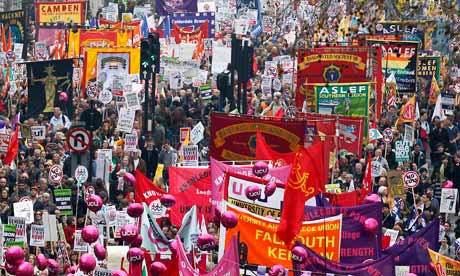

Revolution in the Middle East
ReplyDeleteSarah Ali-Khan
Ever hear your parents say, “It takes only one to change the world”? Here is a huge eye-opener to how wise your parents’ words were.
Tunisia
A poor man named Mohammed Bouazizi made a living for his family by selling fruit, but to sell anything on the side of the road you need a selling license. Bouazizi applied for a selling license several time and had no respond. On December 17 a police officer asked for his license, which he hadn’t had, the policewoman allegedly slapped him spat in his face and insulted his dead father, then confiscated the rest of his vegetables, and gave him a 10 dinar fine. Bouazizi begged and pleaded for his vegetables back, and when the ruler Zine El Abidine Ben Ali refused, he set himself on fire. 10 days after Bouazizi died, Zine El Abidine Ben Ali had been forced out of power by protesters.
Egypt
After the revolution in Tunisia, Egypt had begun a protest to remove the ruler, Hosni Mubarak,of 30 years dictatorship. 18 days of protesting had finally brought peace throughout Egypt.
Libya
The victory revolution in Egypt inspired the people of Libya urging them to protest against their ruler, Muammar Gaddafi, of 42 years in power hoping for the same victory.
Yemen
Ali Abdullah Saleh, the ruler of Yemen for 33 years, is ready to undergo a protest outbreak un-violently. Ali Abdullah Saleh has confidence that he has enough supporters on his side. As many people protested against Ali Abdullah Saleha crowd of his supporters filled the street, and he had to send police officers out to prevent the two mobs to meet.
Bahrain
The Bahraini ruler, Sheikh Hamad ibn Isa Al Khalifa of 12 years, has already killed many to keep his power as the king of Bahrain but the protesters gather to try to bring his ruling to an end.
Iran
Mahmoud Ahmadinejad the Iranian president for 6 years has been threatened by protesters. When protesters clashed with police, they fired tear gas into the crowds. At this point, the Iranian media reports that one person has died, but many others remain injured.
Jordan
King Abdullah II bin al-Hussein of 12 years had met his match when thousands of protesters boycotted against him. The clashes, in which more than 100 were injured, were the most violent in more than two months of protests inspired by the popular uprisings in Tunisia and Egypt.
Revolution in the Middle East
ReplyDeleteSarah Ali-Khan
(Have you ever heard your parents say, “It takes only one to change the world”? Here is a huge eye-opener to how wise your parents’ words were.
Tunisia
A poor man named Mohammed Bouazizi made a living for his family by selling fruit, but to sell anything on the side of the road you need a selling license. Bouazizi applied for a selling license several time and had no respond. On December 17 a police officer asked for his license, which he hadn’t received. The policewoman allegedly slapped him, spat in his face and insulted his dead father. (She) then confiscated the rest of his vegetables, and gave him a 10 dinar fine(dinar = Tunisian $). Bouazizi begged and pleaded for his vegetables back, and when the ruler of Tunisia, Zine El Abidine Ben Ali refused, the vegetable vendor set himself on fire. Protests about the oppresive behavior of the ruler began and grew and grew. 10 days after Bouazizi died, Zine El Abidine Ben Ali had been forced out of power by protesters.
Egypt
After the revolution in Tunisia, Egypt began a protest to remove their ruler, Hosni Mubarak,who had been in power for 30 years. As protest grew in size, one of the most important Muslim nations was on the brink of revolution. The military in armored vehicles and tanks watched but didn't interfere with protesters against Mubarak and his rule. 18 days of protesting finally brought the desired change throughout Egypt.
Libya
The victorious revolution in Tunisia and Egypt inspired a large group of people in Libya to protest against their dictator ruler, Muammar Gaddafi. Gaddafi has been in power for the last 42 years. These protest have been met with strong resistance from Gaddafi and his military. The violence has played a part in international intervention by European nations and the United States.
Yemen
Ali Abdullah Saleh, the ruler of Yemen for 33 years, is ready to undergo a protest outbreak un-violently. (This is a little awkward in the phrasing) Ali Abdullah Saleh has confidence that he has enough supporters on his side. As many people protested against Ali Abdullah Saleha crowds of his supporters filled the street. He sent police officers out to prevent the two mobs from meeting. How long will these two groups remain separated and what will happen if they do meet?
Bahrain
The Bahraini ruler, Sheikh Hamad ibn Isa Al Khalifa of 12 years, has already killed many to keep his power as the king of Bahrain but the protesters gather to try to bring his ruling to an end. (The government has torn down major landmarks that were a gathering place for protesters. The ruling family has provided better living conditions for its people than many other countries near internal war, but will it be enough.)
Iran
Mahmoud Ahmadinejad the Iranian president for 6 years has been threatened by protesters. When protesters clashed with police, the police fired tear gas into the crowds. At this point, the Iranian media reports that one person has died, but many others remain injured.
Jordan
King Abdullah II bin al-Hussein of 12 years may have met his match when thousands of protesters boycotted against him. The clashes, in which more than 100 were injured, was the most violence in the region in more than two months. These protests were inspired by the popular uprisings in Tunisia and Egypt.